Development History
The Smart Orthopedic Boot project was created on the basis of the engineering company 3D Print Mallorca, specializing in the development of high-tech products using modern technologies and a creative approach.
The product idea arose as a response to a real practical problem that occurred after a leg fracture and surgery. The main goal was to accelerate rehabilitation without losing the usual lifestyle and level of activity.
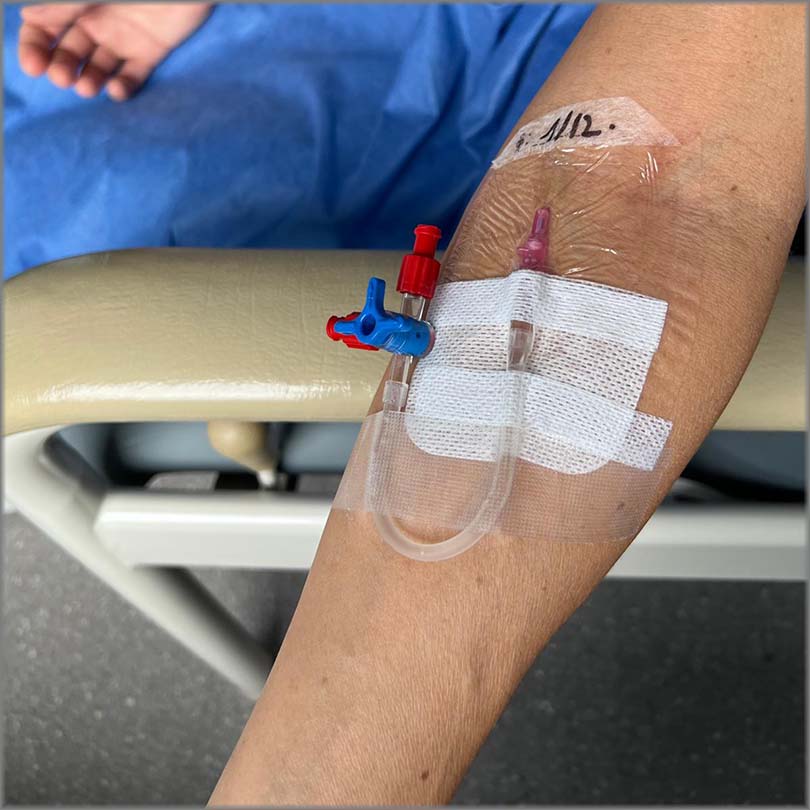
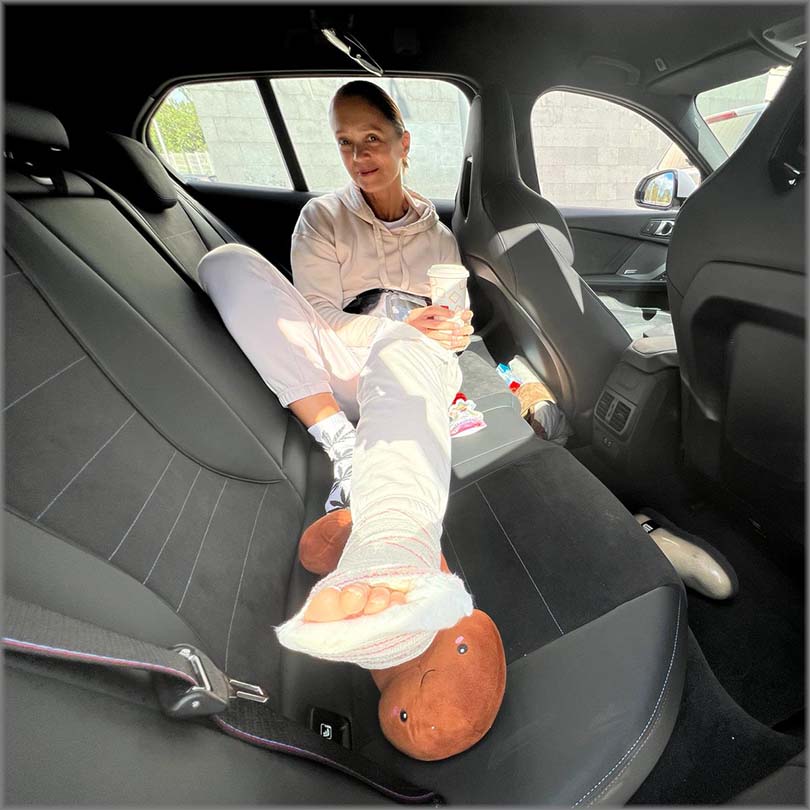
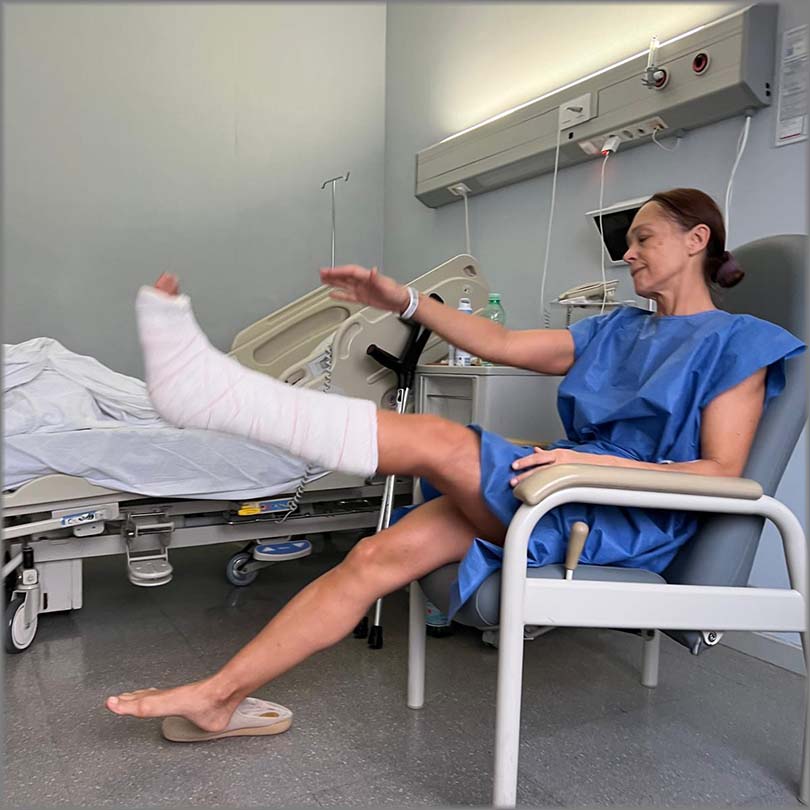
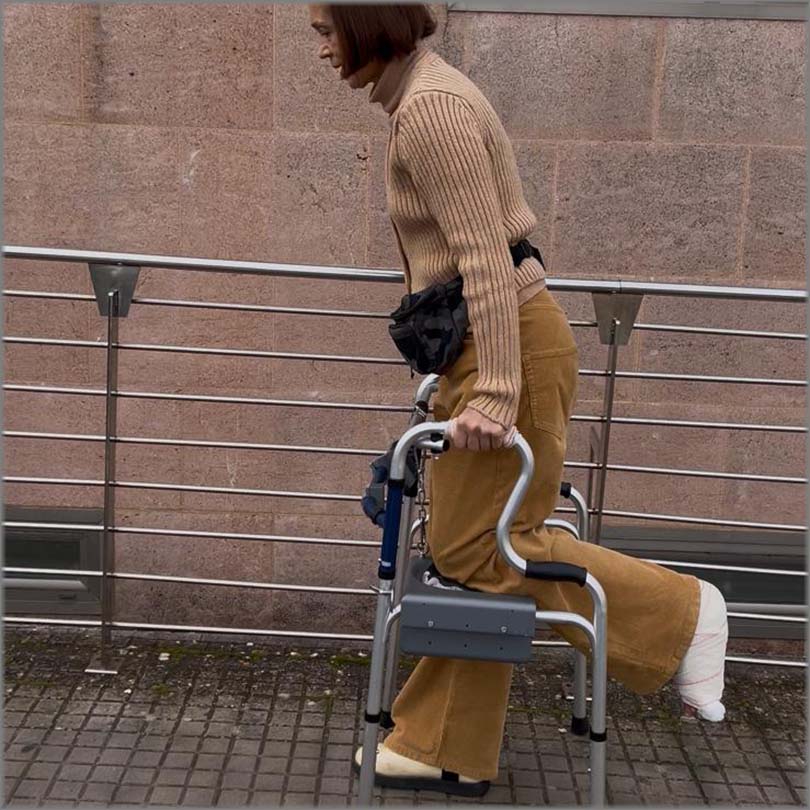
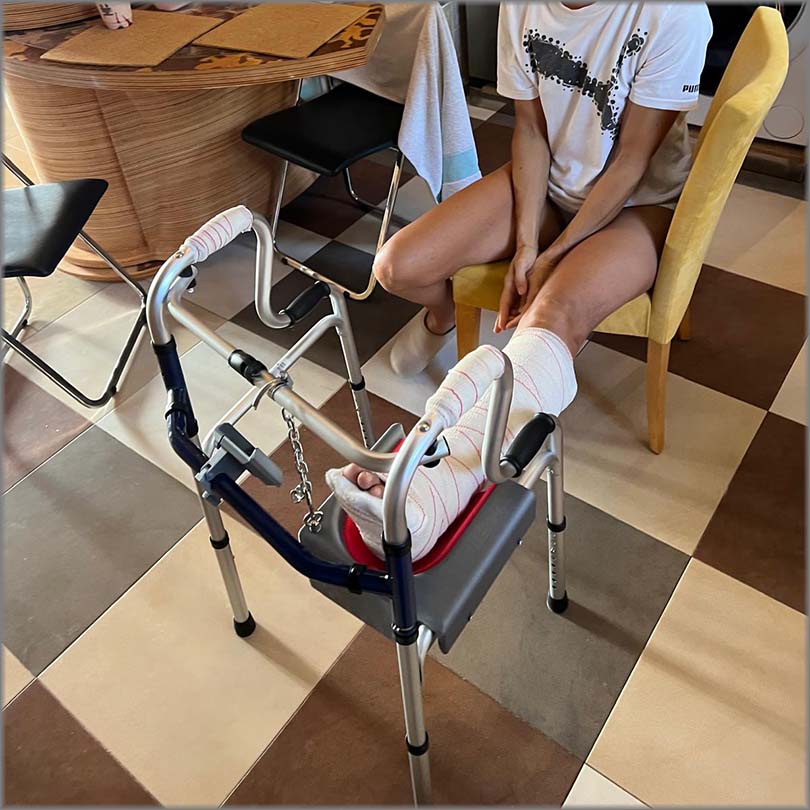
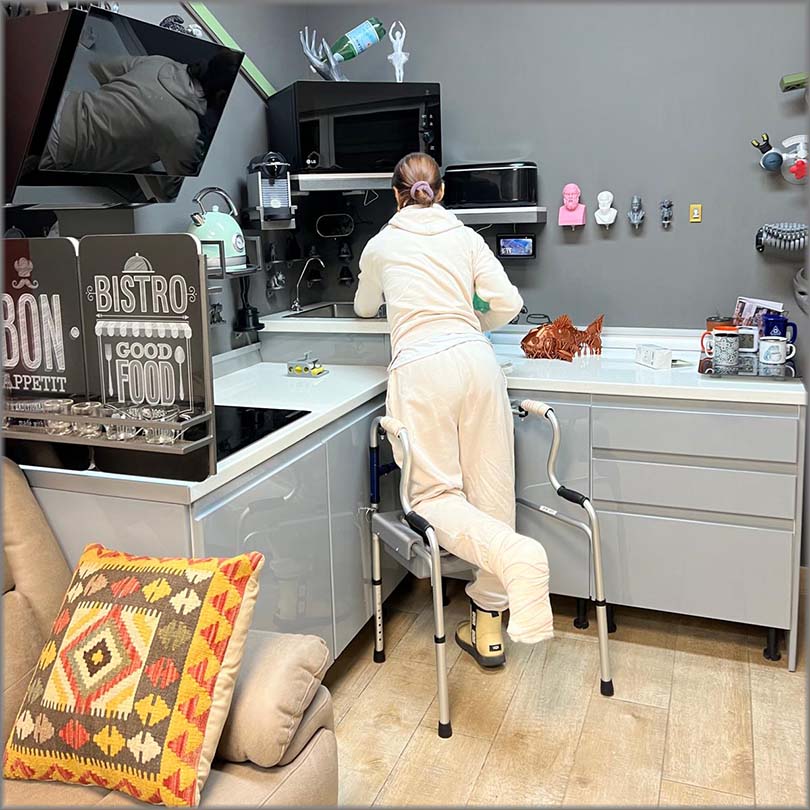
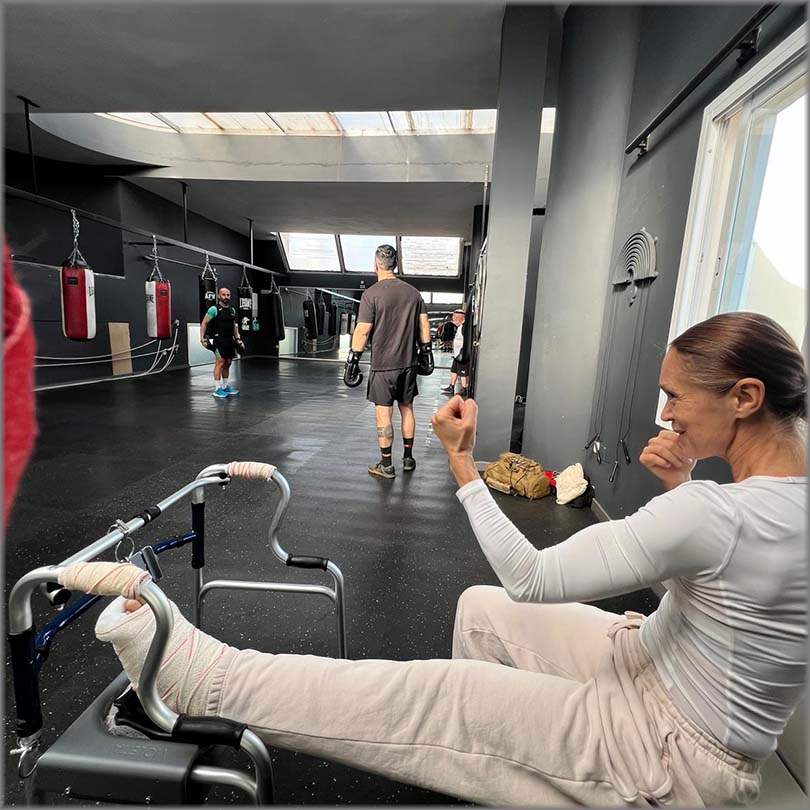
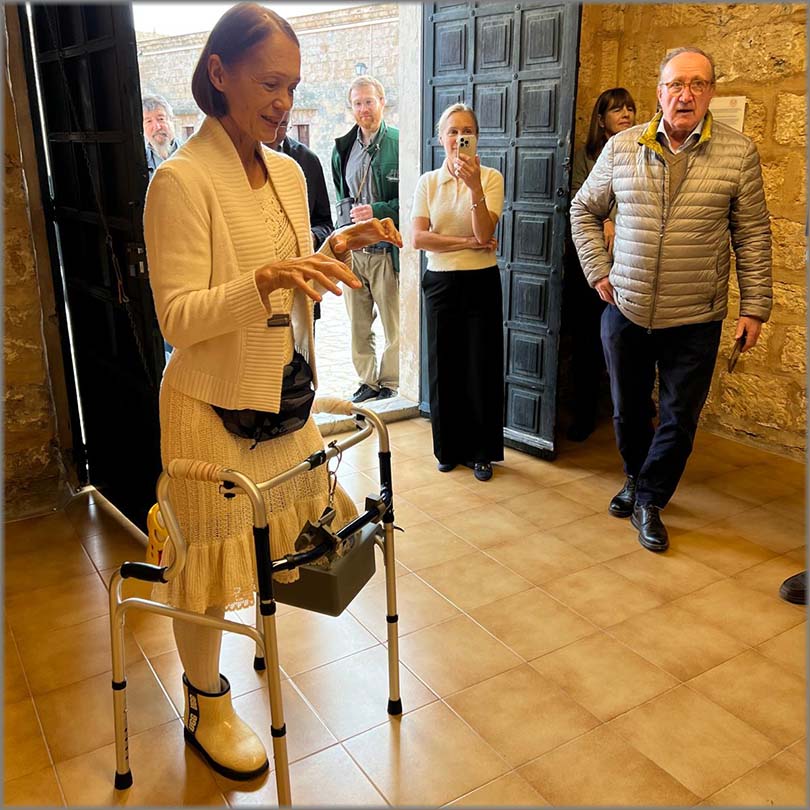
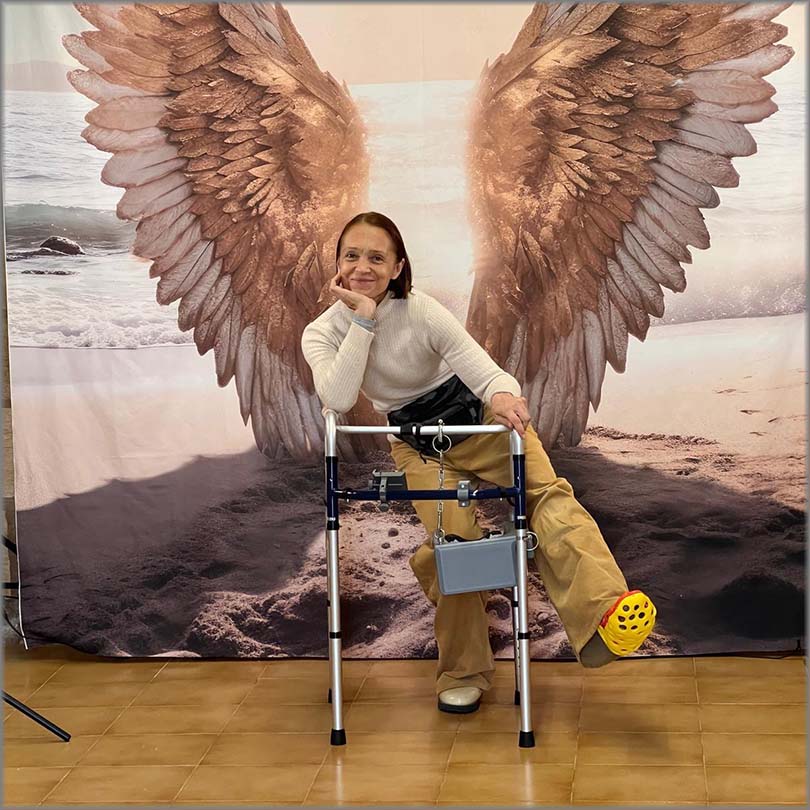
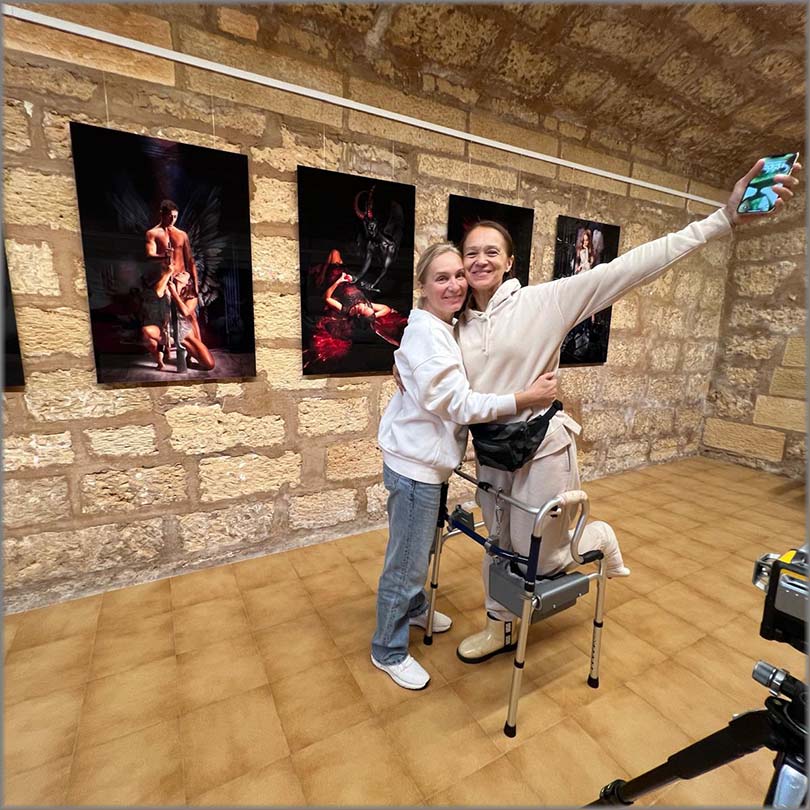
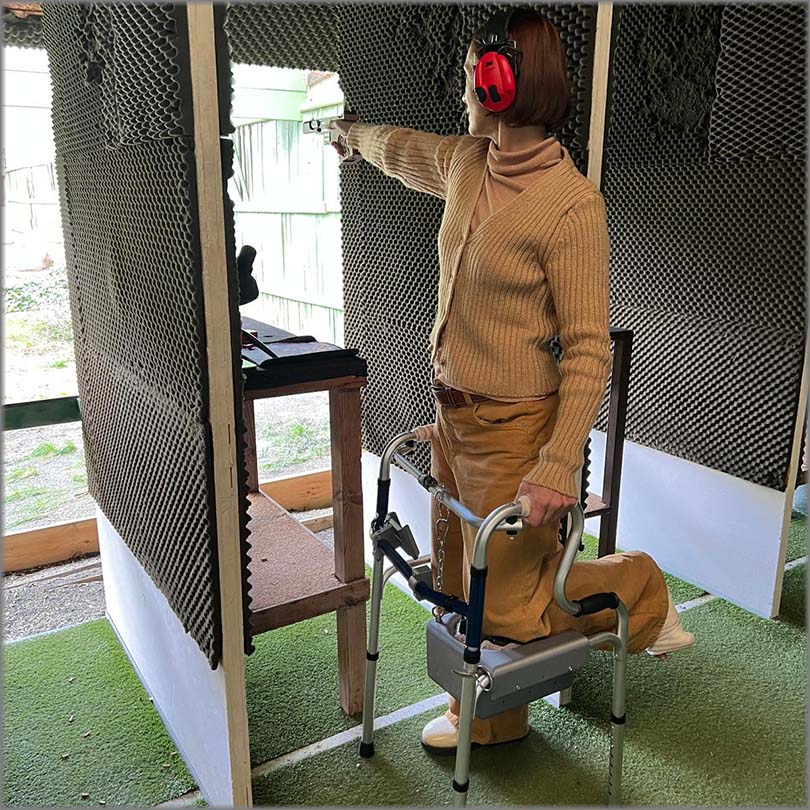
Restoring mobility and maintaining activity
Stage 1: Restoring mobility
At the initial stage, the key problem was solved — the patient's limited mobility and dependence on bed rest.
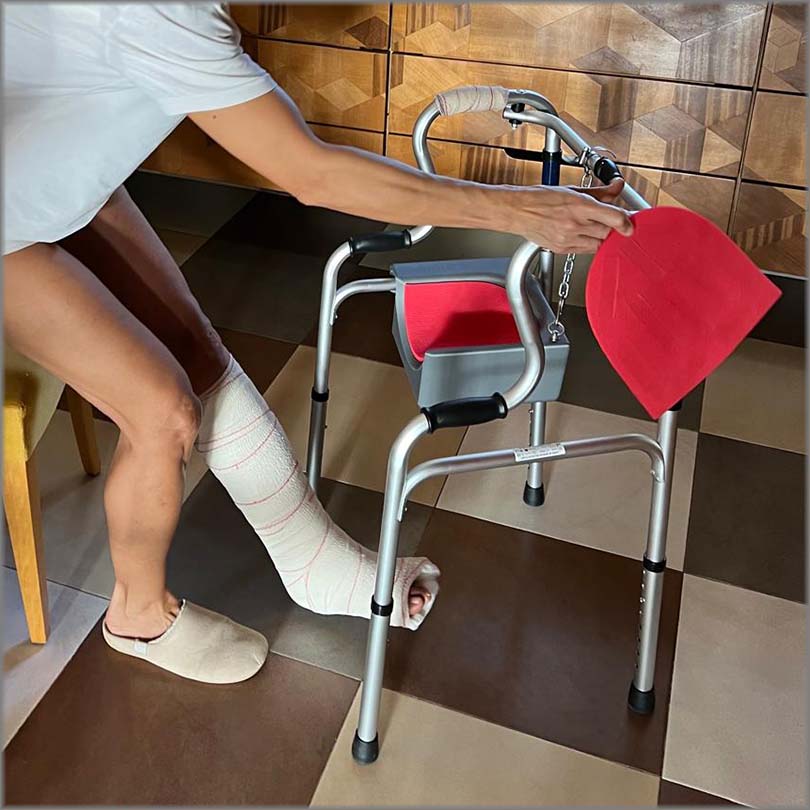
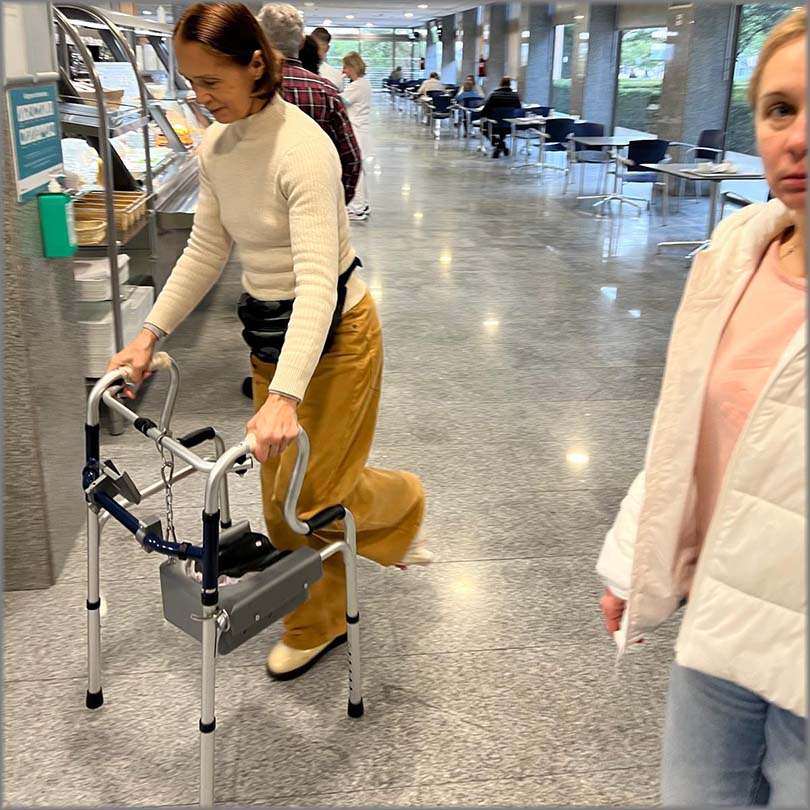
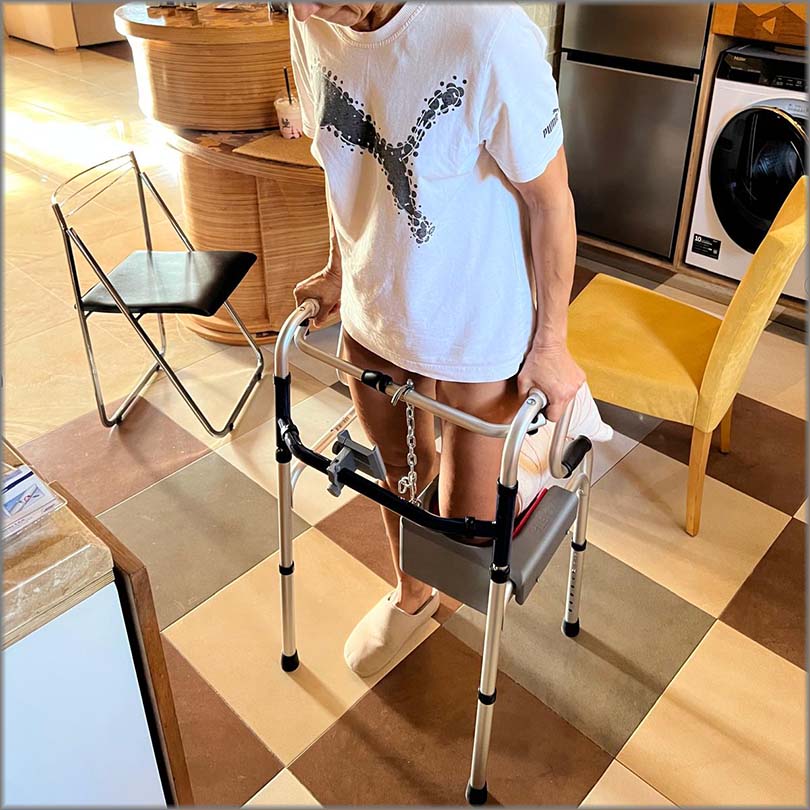
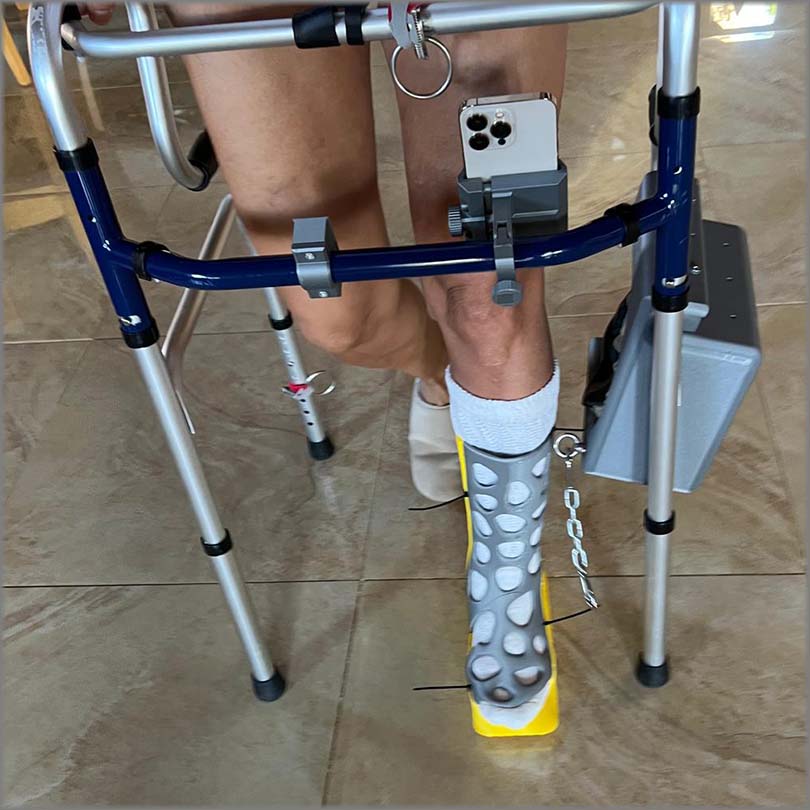
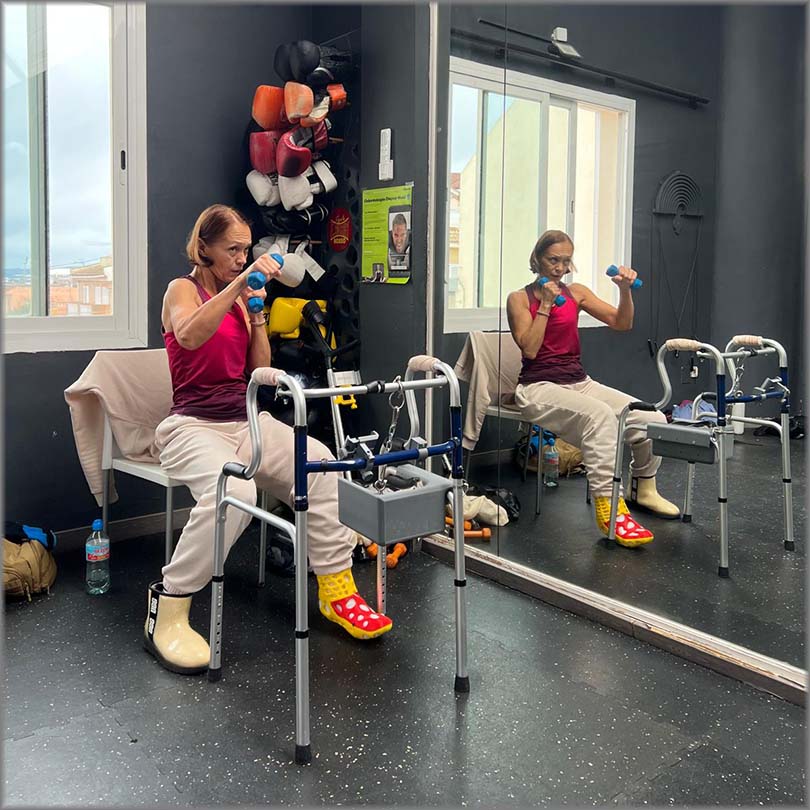
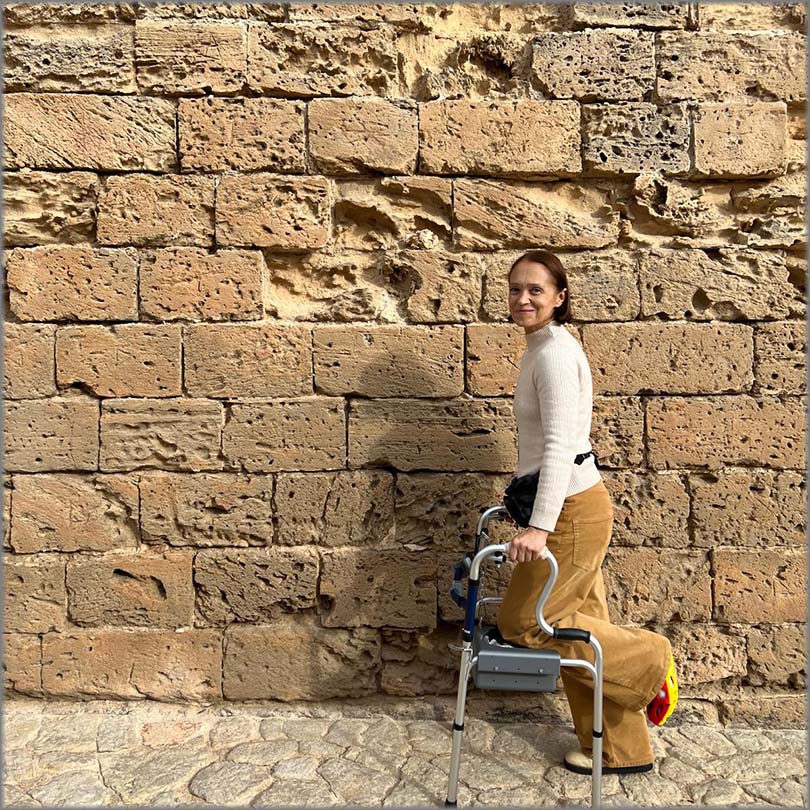
A solution was developed based on standard walkers with the addition of a knee rest — a soft support allowing weight transfer to the knee without loading the injured area.
Existing analogues of such devices have limitations in application and may be unsafe in some cases, which limits their widespread use.
The developed design, according to doctors, became a unique and effective solution that allows safely maintaining patient mobility at the early stage of recovery.
This allowed:
Stage 2: Maintaining an active lifestyle
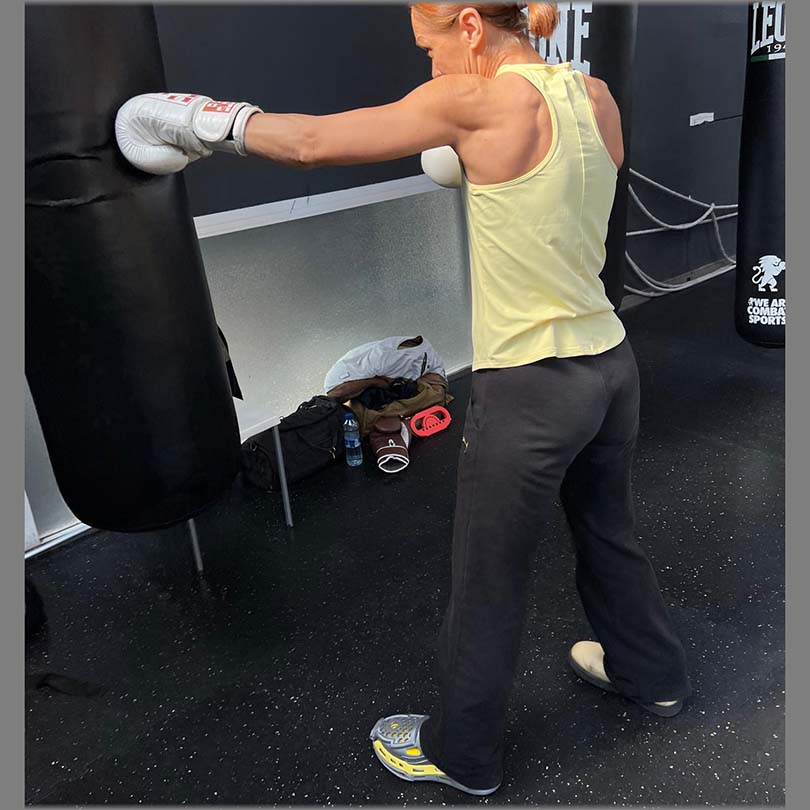
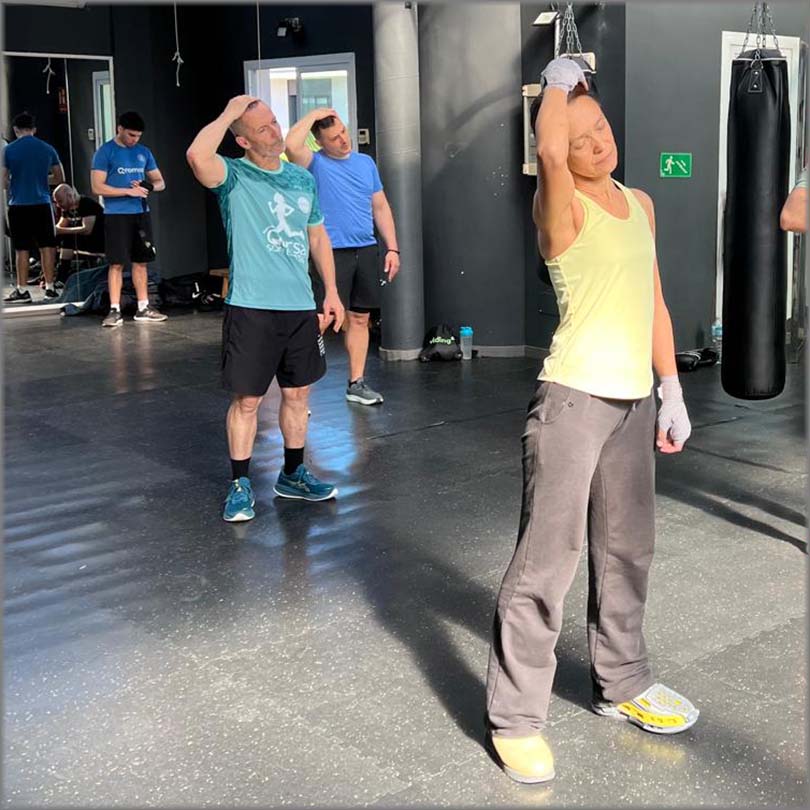
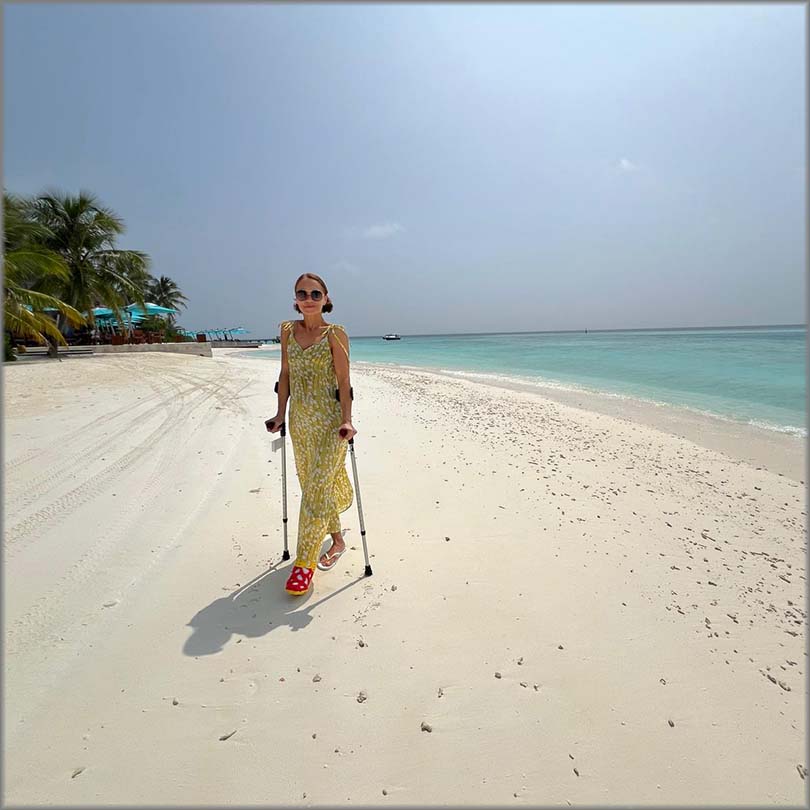
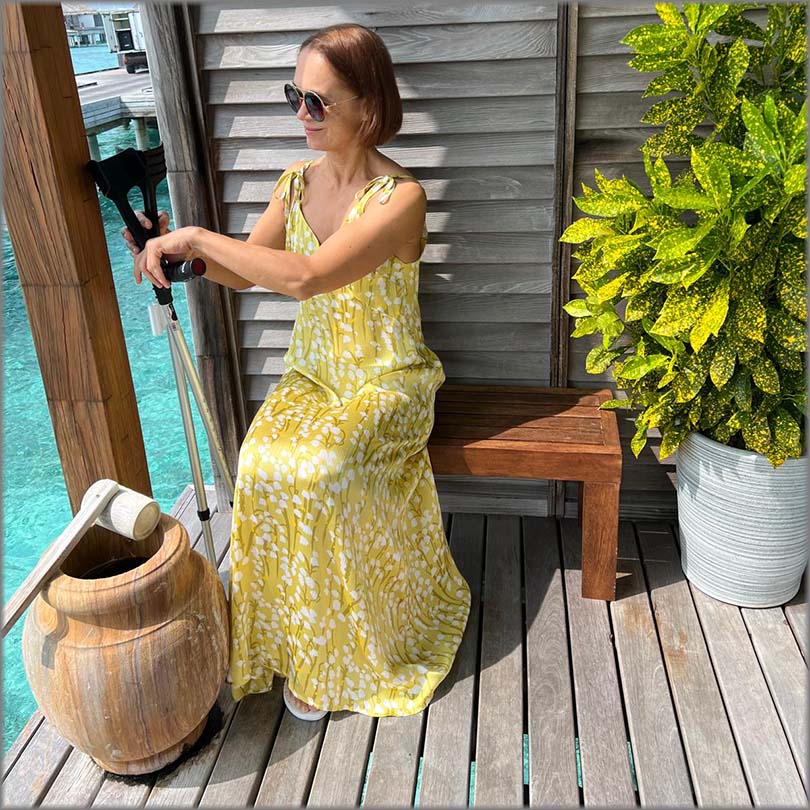
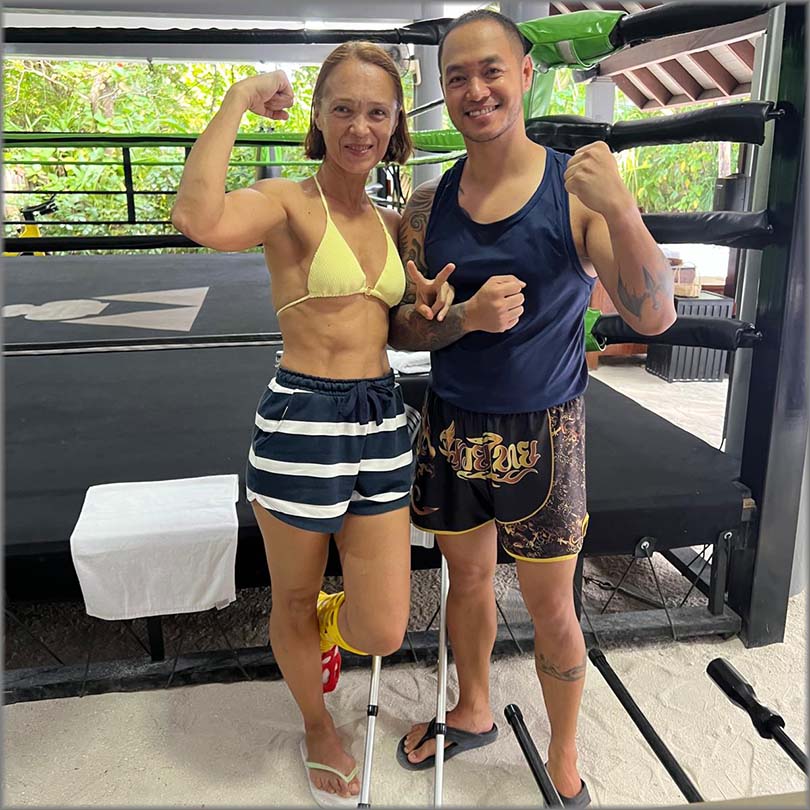
The use of the developed walkers gave a fundamentally new result — the patient gained the ability not only to move but also to maintain their usual level of activity.
Violetta was able to continue sports activities, including:
This became a key factor in accelerated rehabilitation, as the body continued to function in an active mode.
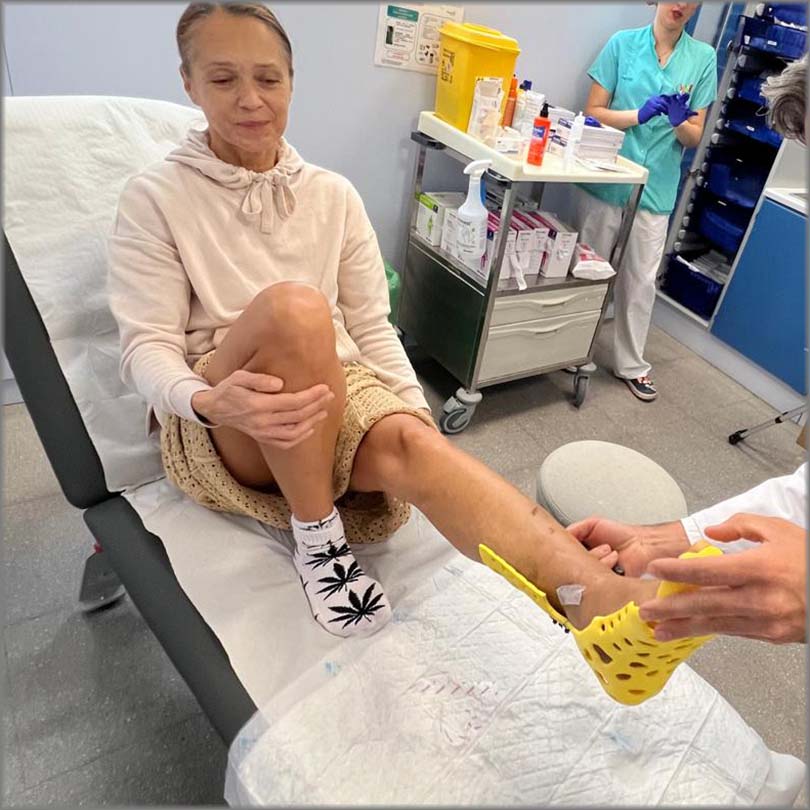
Replacing plaster fixation
Stage 3: Replacing plaster fixation
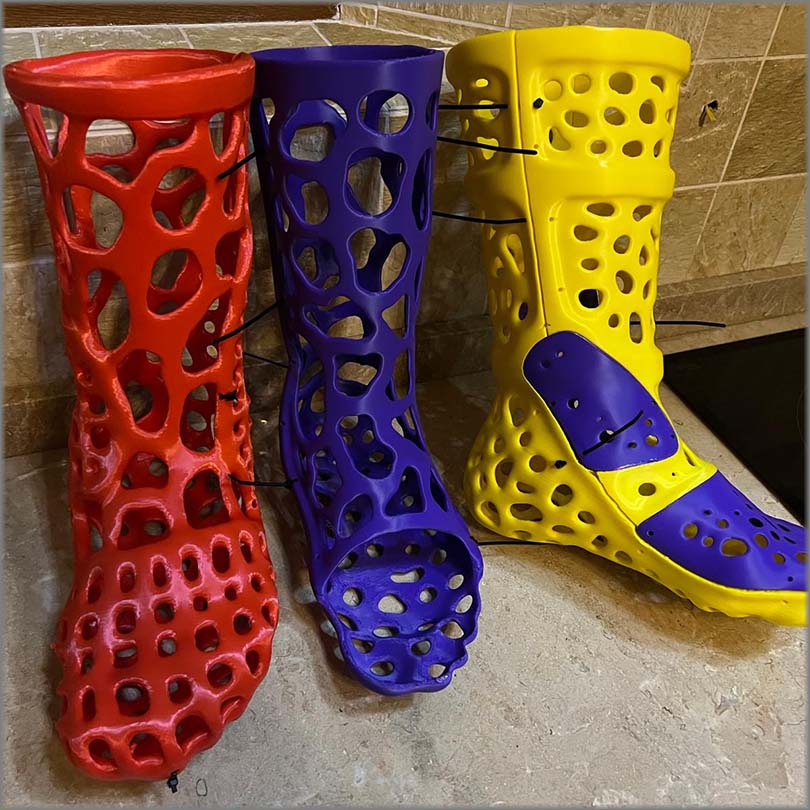
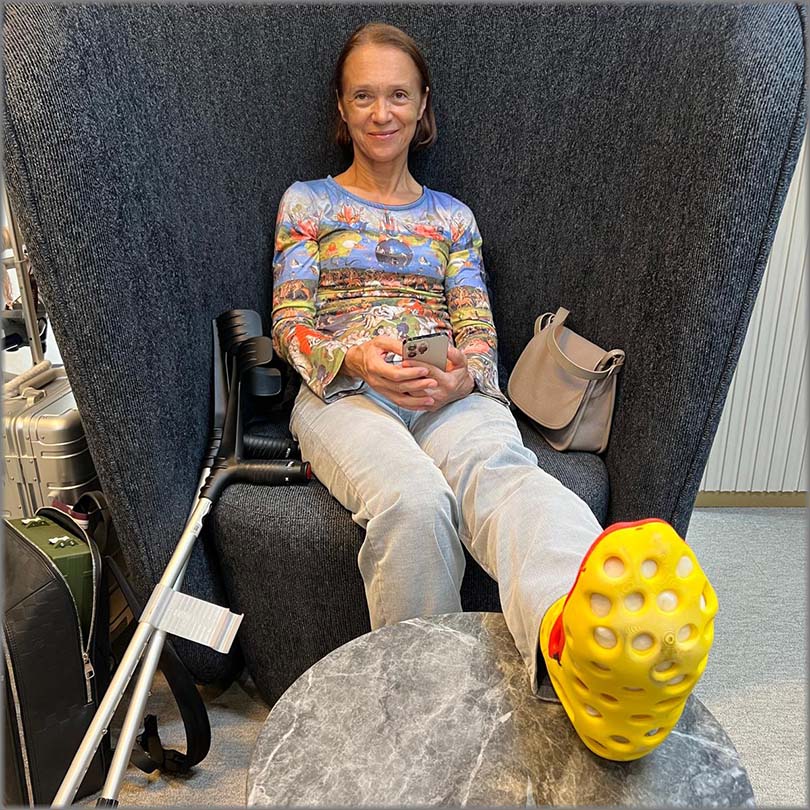
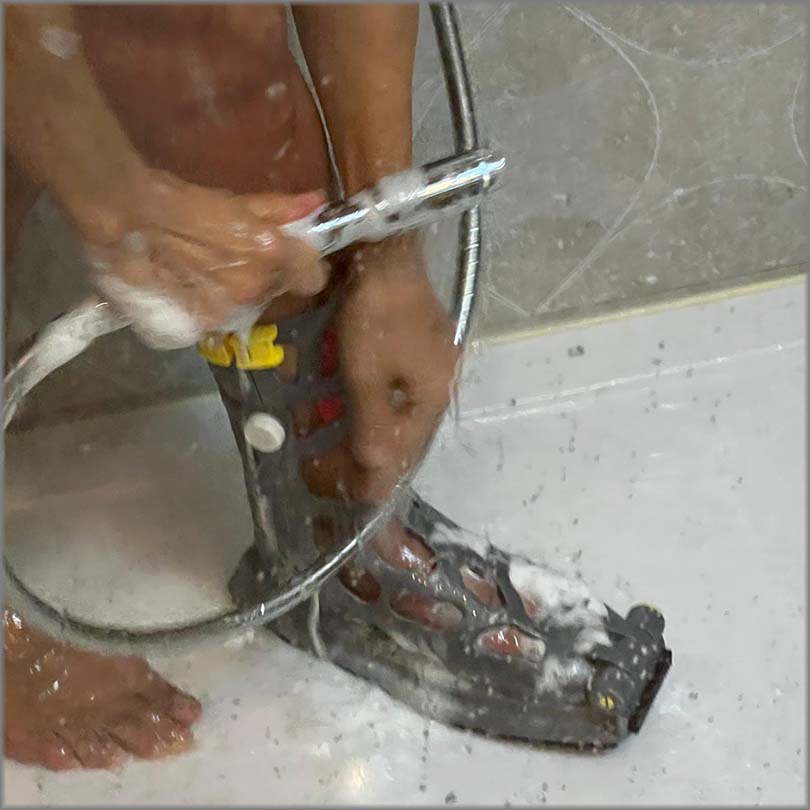
The next step was the task of replacing heavy plaster fixation with a lighter and more functional solution.
A team of engineers joined the development in collaboration with doctors, which made it possible to formulate requirements for the new product.
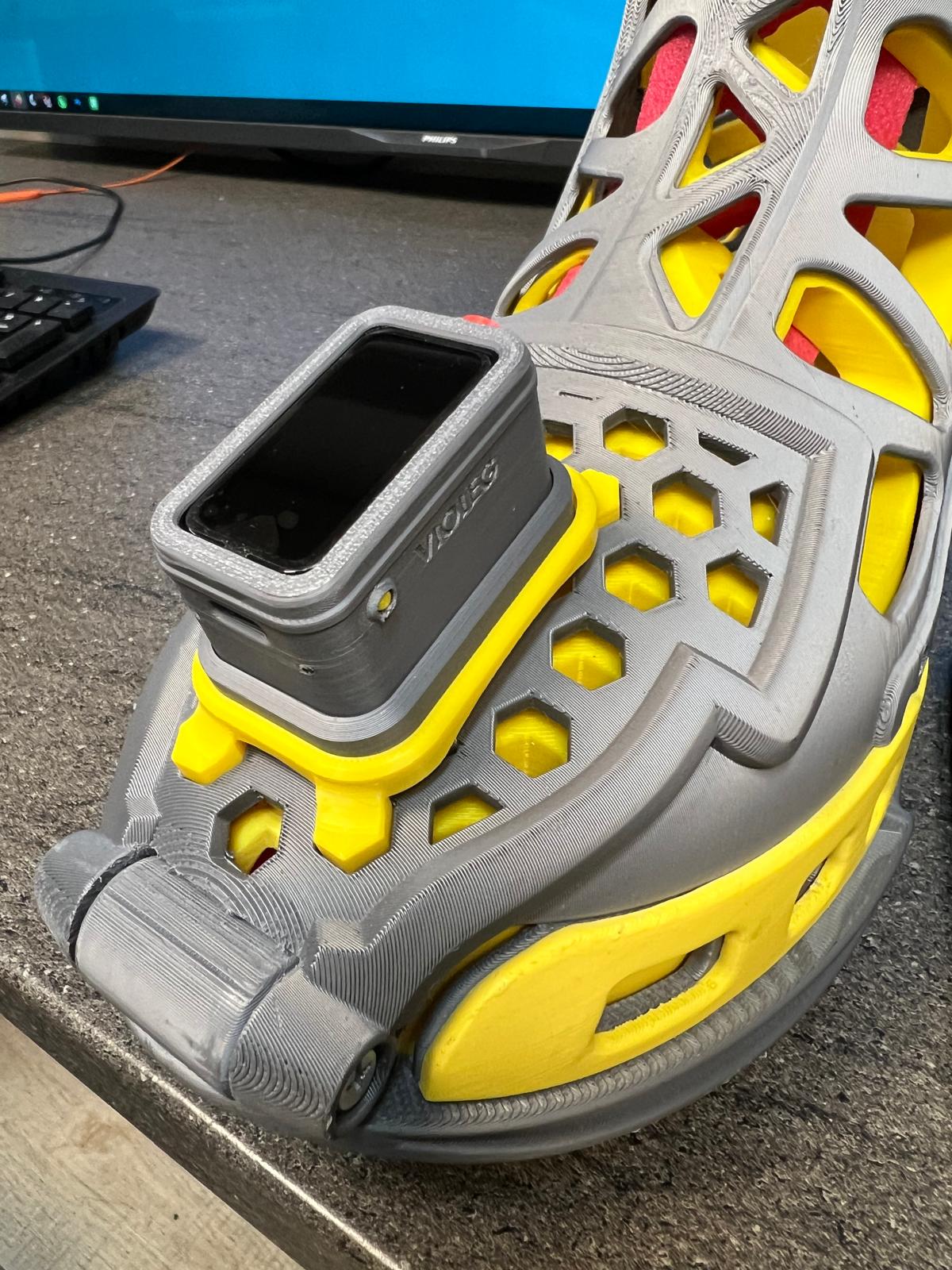
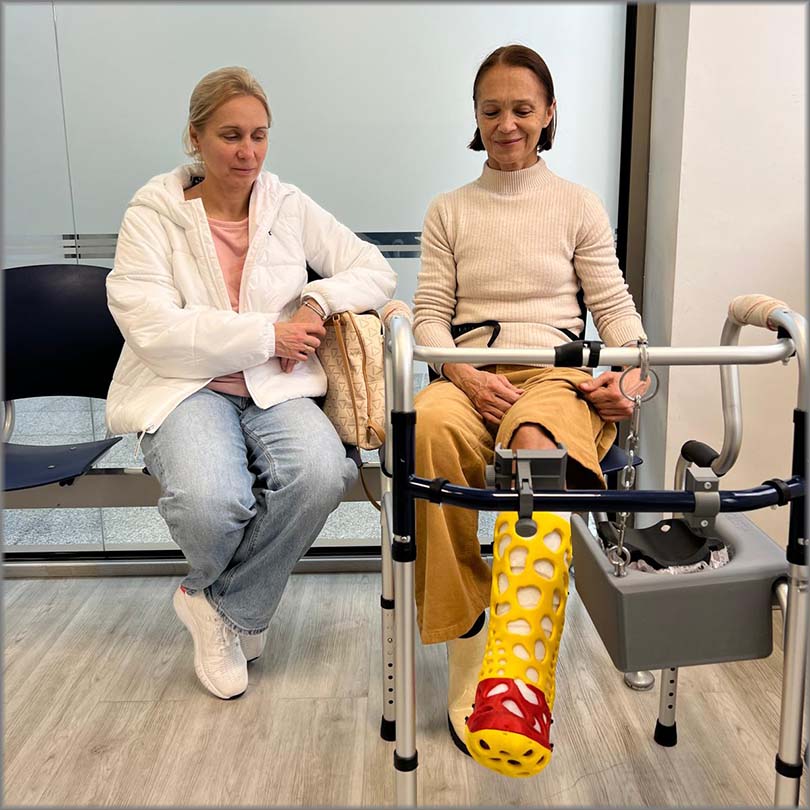
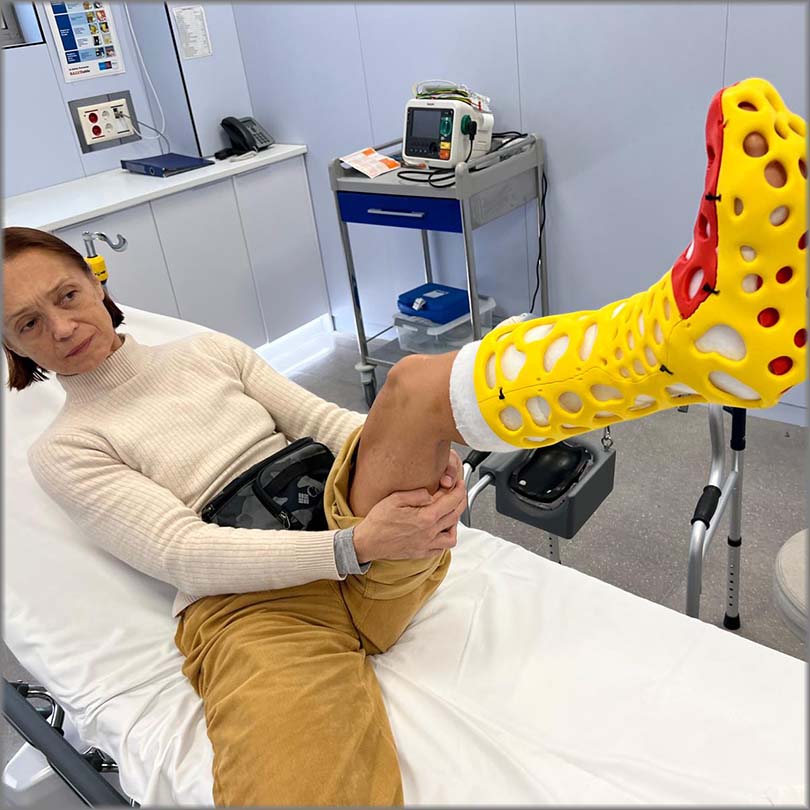
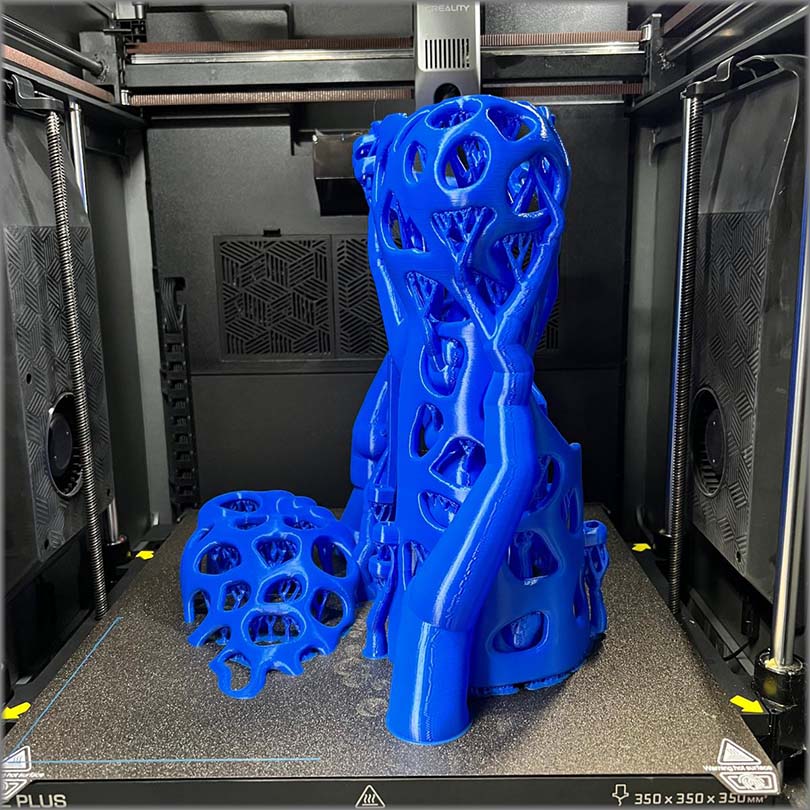
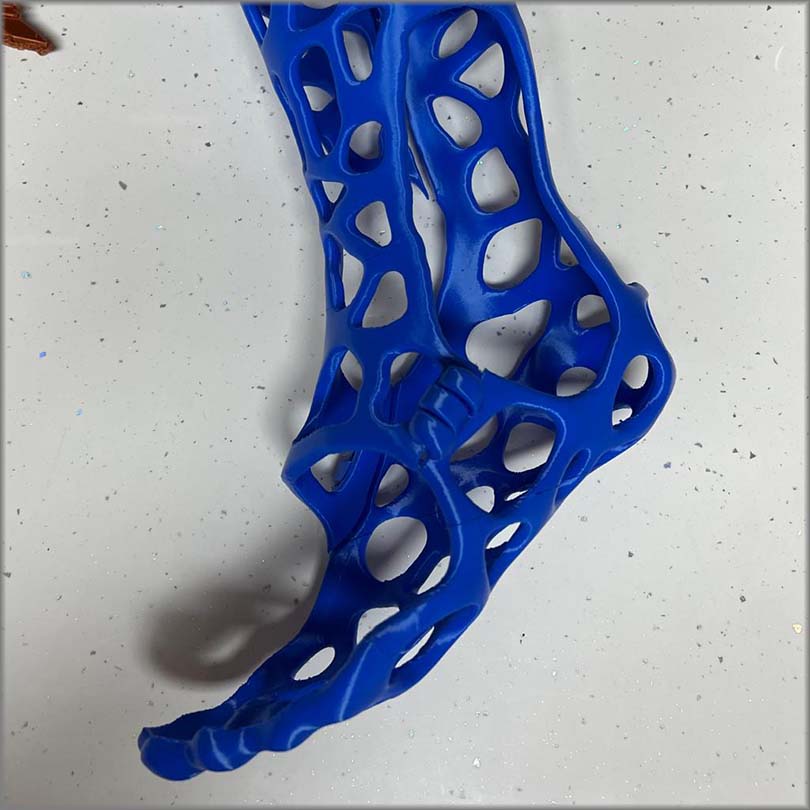
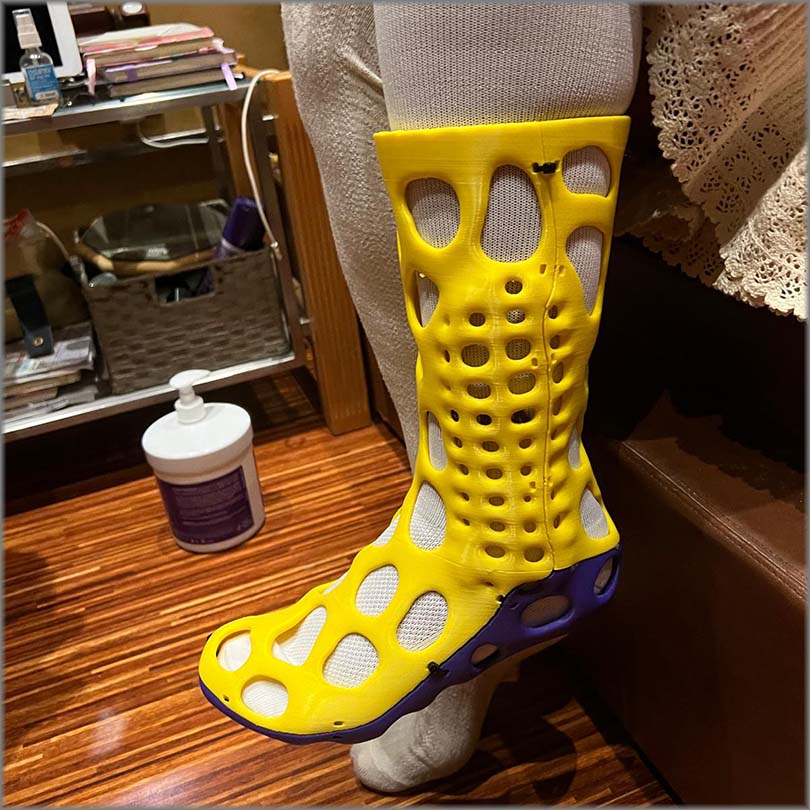
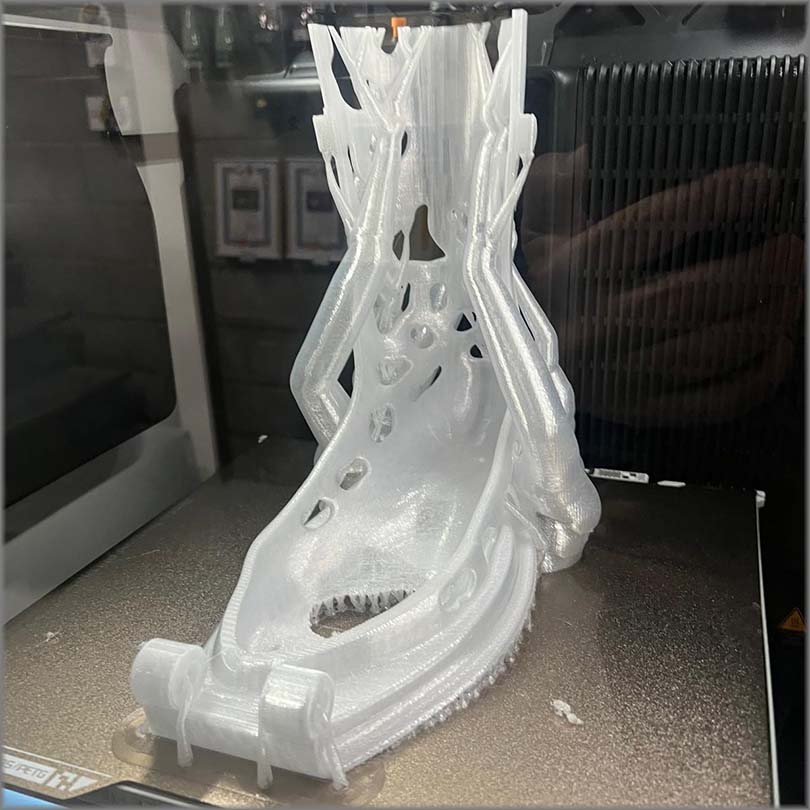
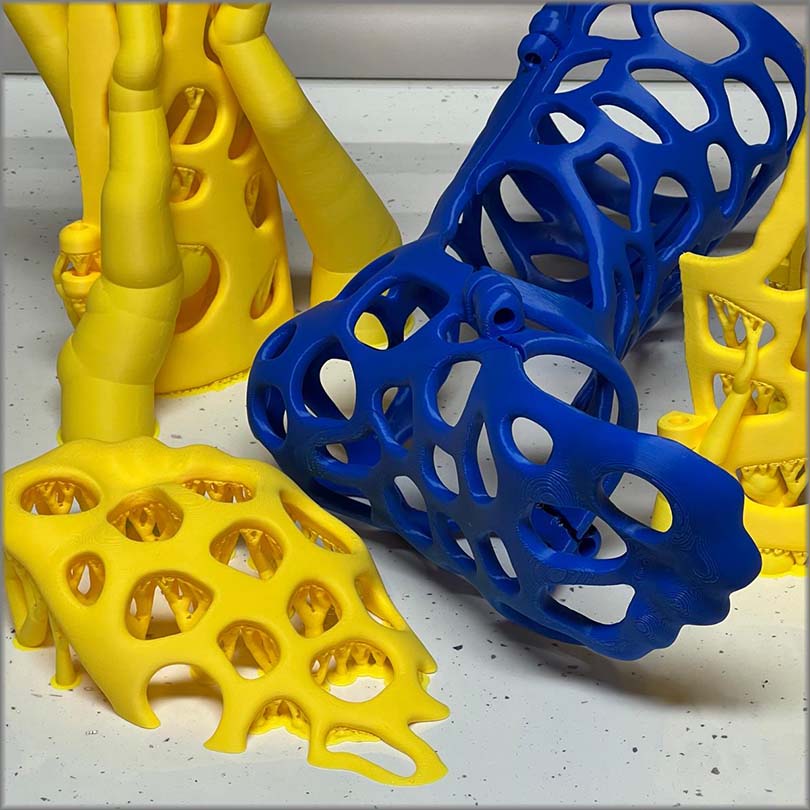
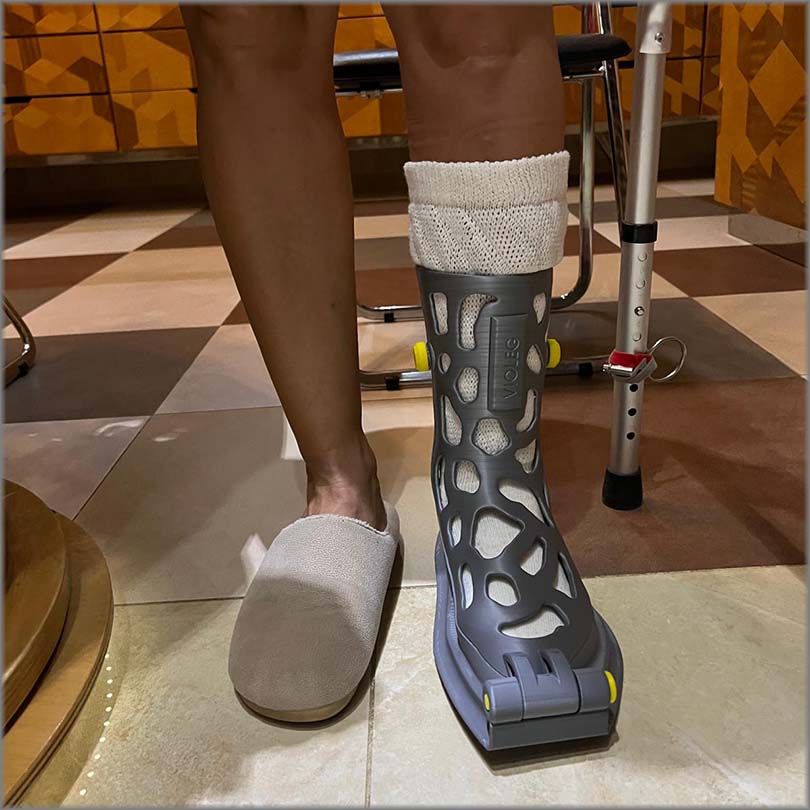
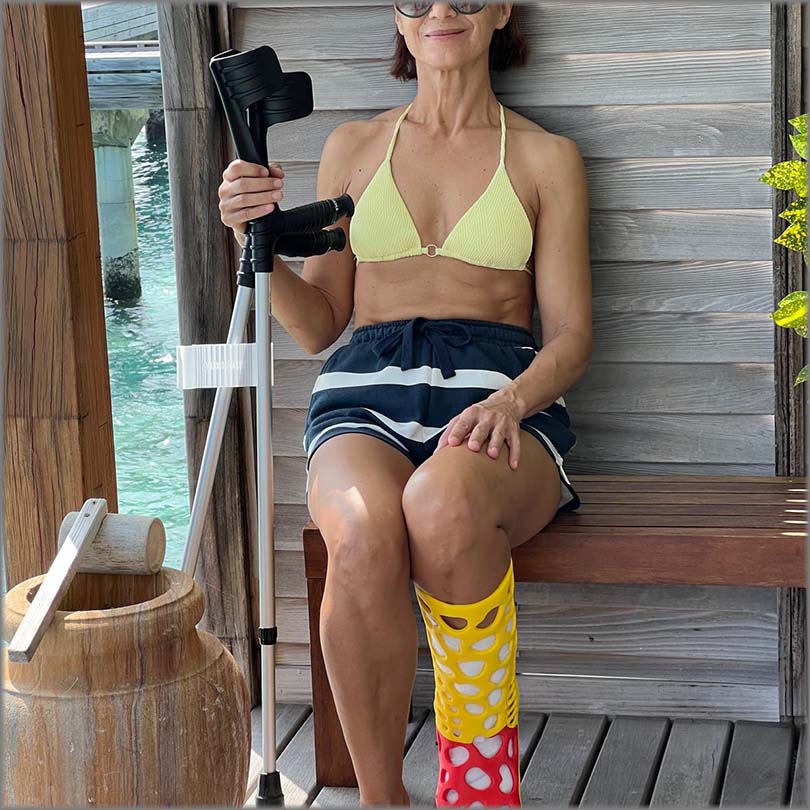
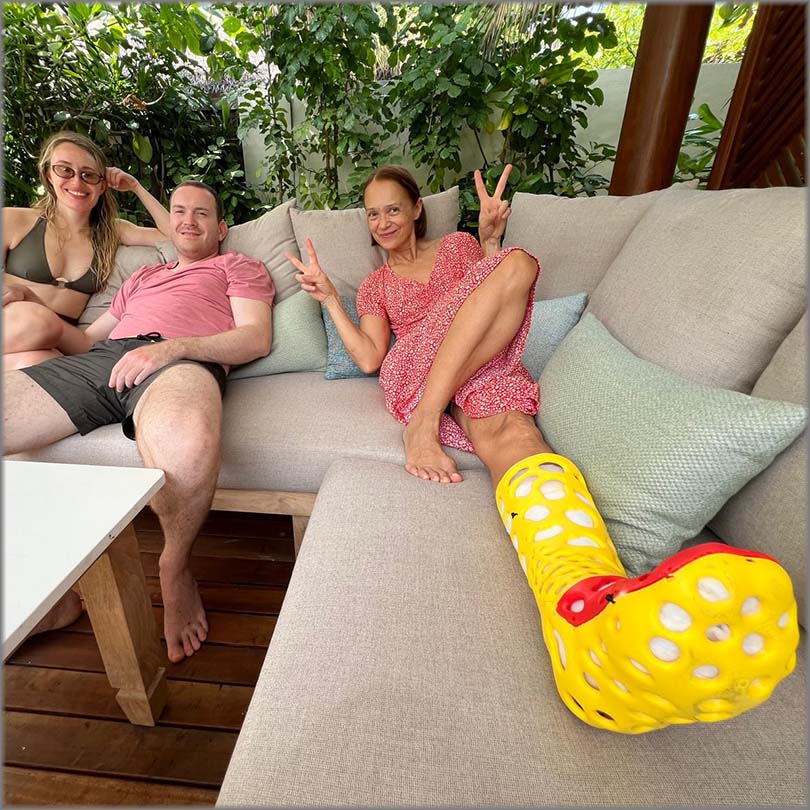
The idea arose to create an orthopedic boot using 3D printing technology that:
During the development process, many prototypes were created, which made it possible to determine the optimal design.
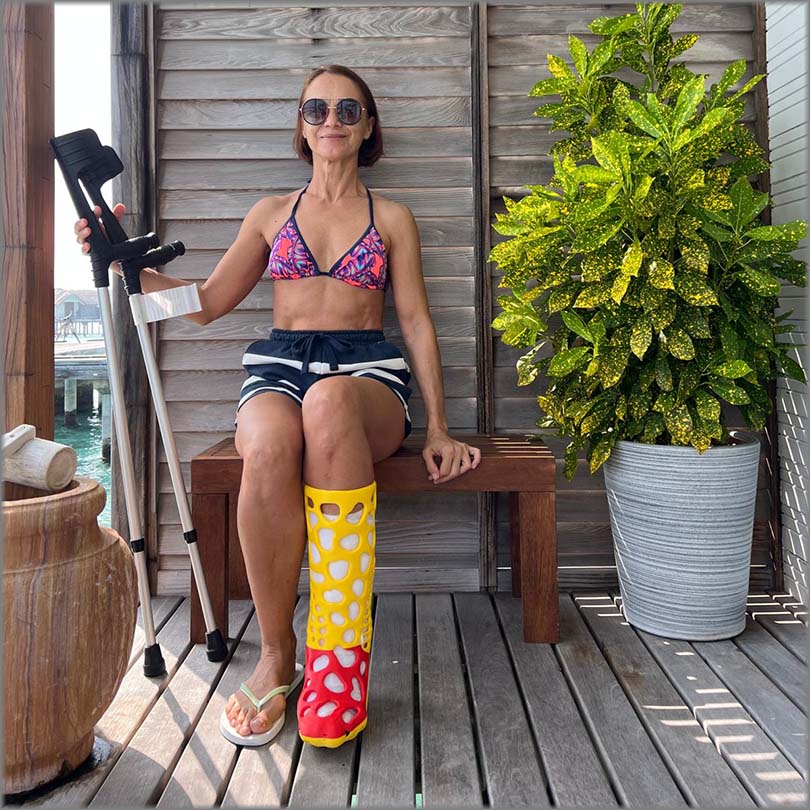
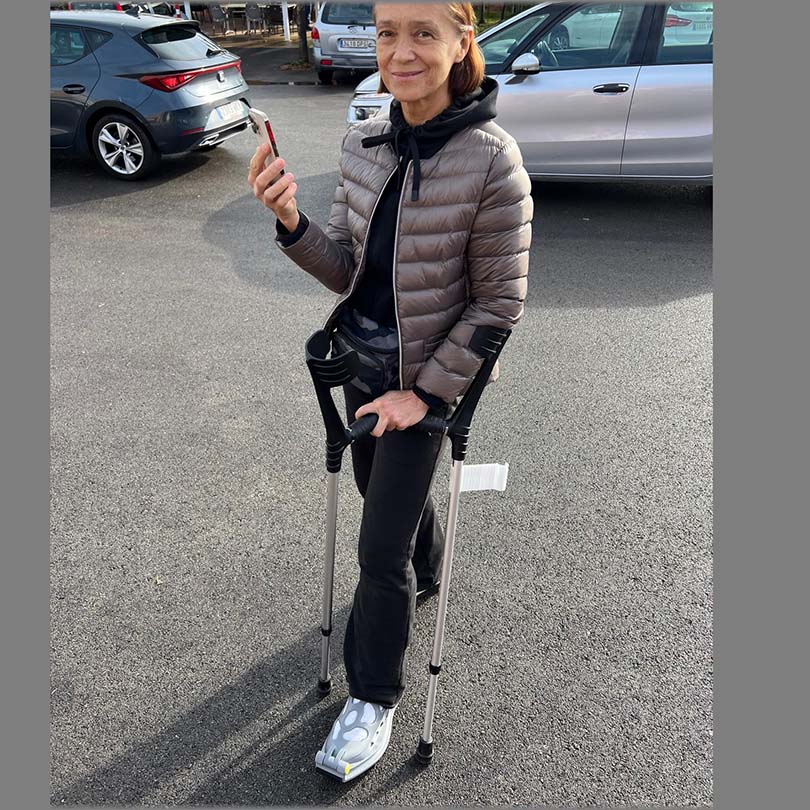
After the cast was removed, the first working version of the boot was applied.
Practical application and effectiveness confirmation
Stage 4: Practical application
Using the boot immediately showed significant advantages:
The boot design provided protection against unwanted movements — twisting, overloads and other factors critical after surgery.
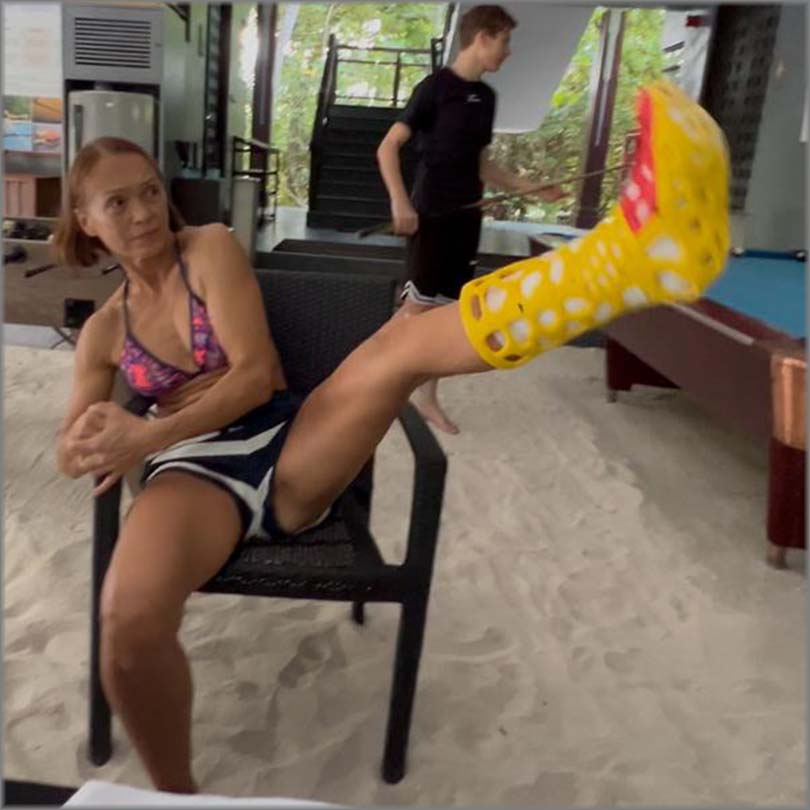
According to doctors' observations, rehabilitation proceeded significantly faster than standard periods, partly because the patient did not drop out of their usual lifestyle.
Stage 5: Effectiveness confirmation
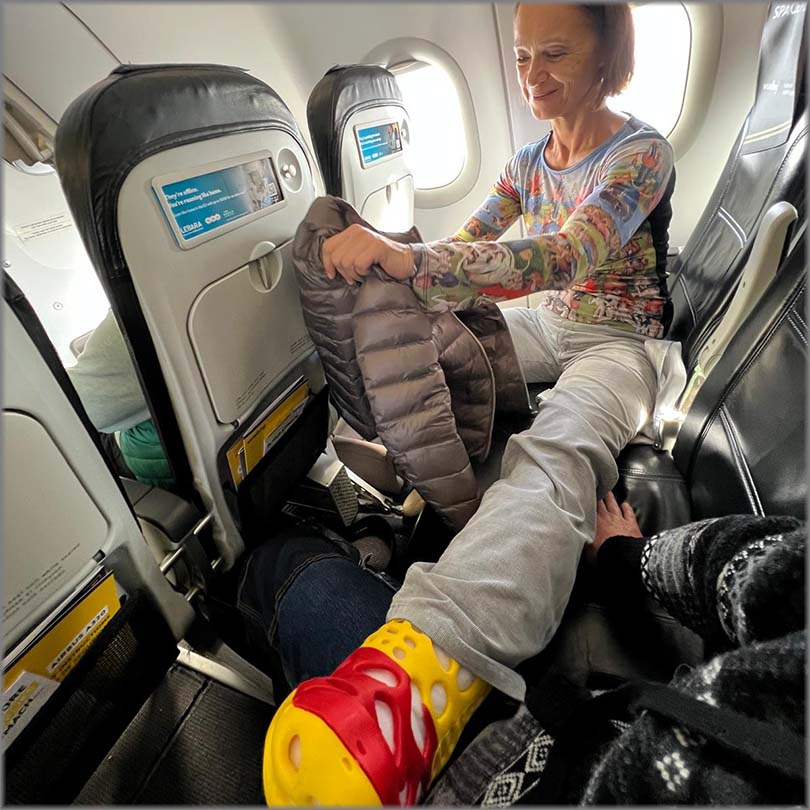
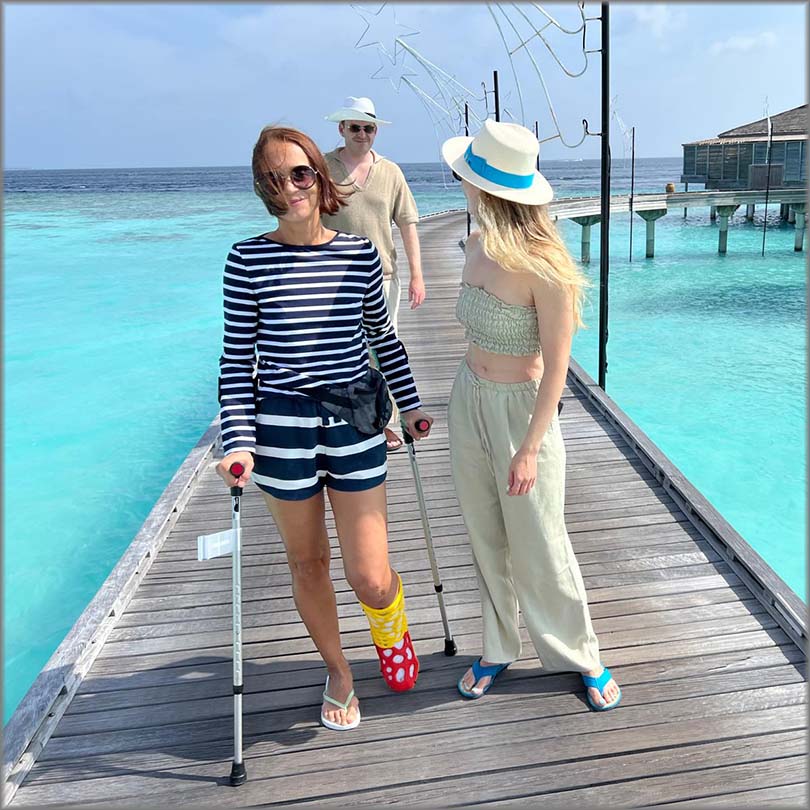
Initially, long-distance air travel was prohibited.
However, observing the recovery dynamics, doctors reconsidered their decision and allowed the flight just 25 days after surgery.
This made it possible to travel over 8,000 km without complications, which became an important confirmation of the effectiveness of the chosen approach.
Transition to an intelligent system
Stage 6: Transition to an intelligent system
After interaction with medical specialists, key tasks for further product development were formulated.
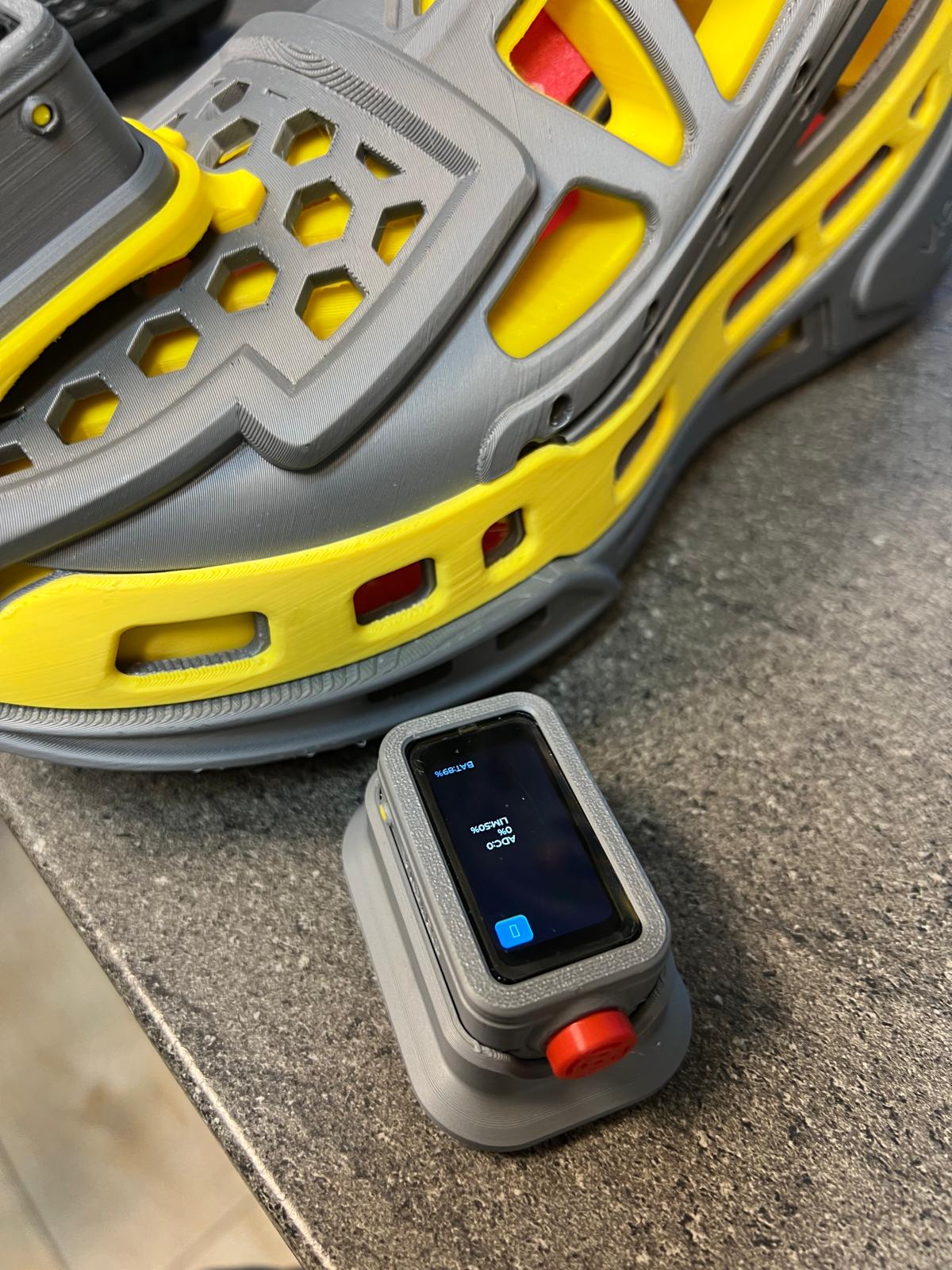
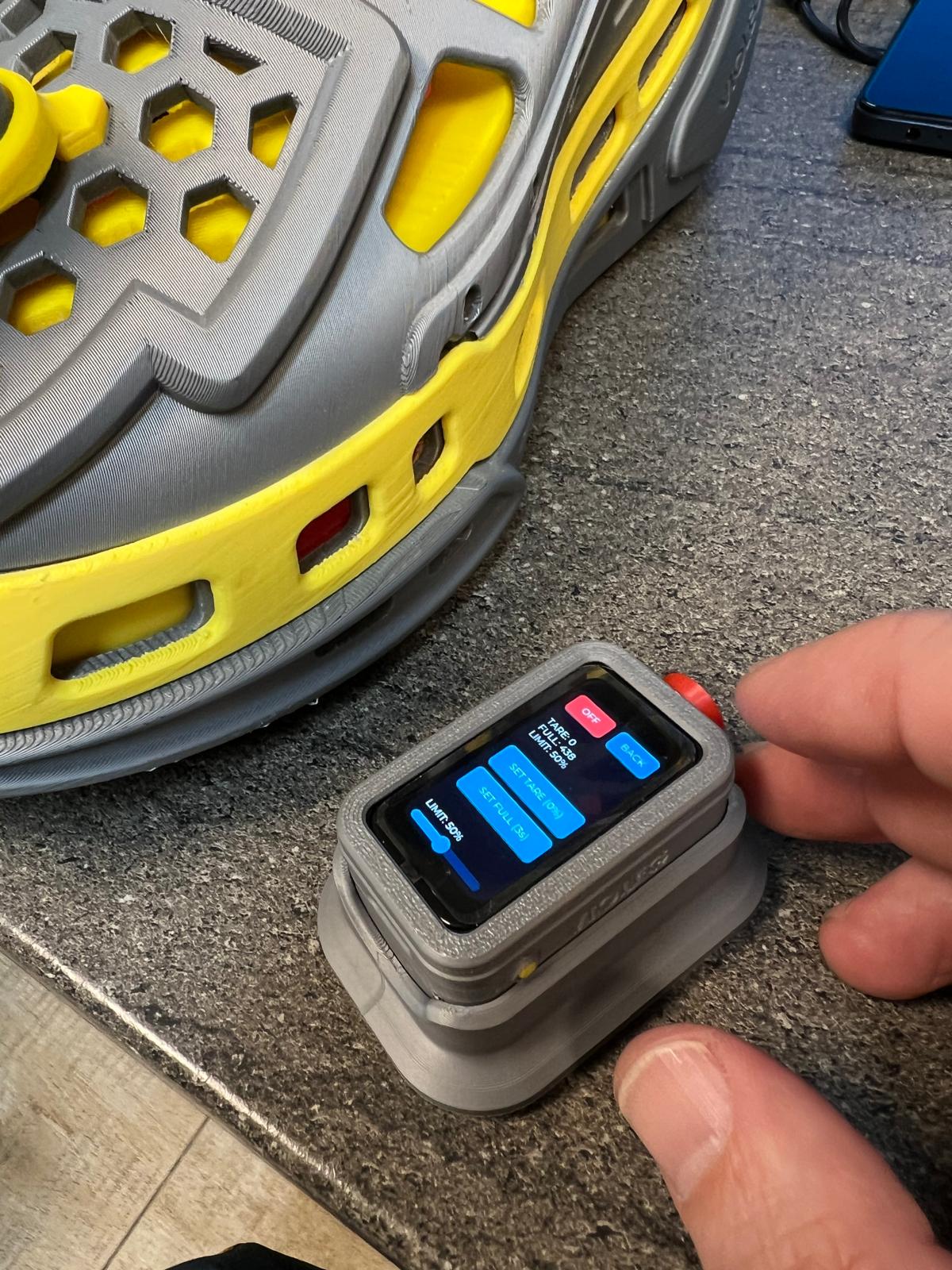
One of the main ones was the need for precise load control when walking.
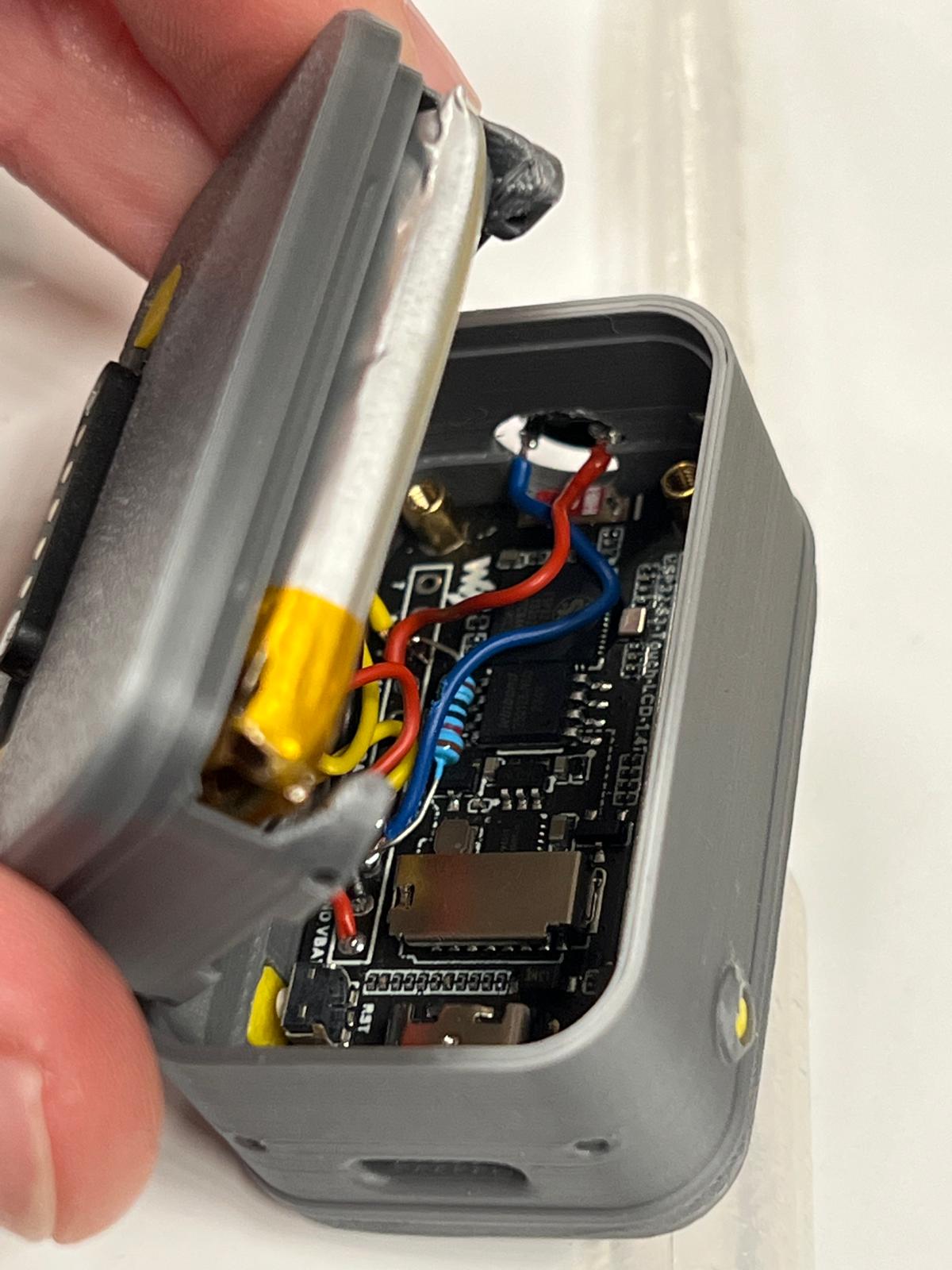
This led to the next stage — the integration of an electronic sensor that allows controlling the permissible weight applied to the leg.
Thus, the project evolved: from auxiliary solutions → to an orthopedic product → to an intelligent rehabilitation system.